In highly regulated sectors like food and pharmaceuticals, material movement must be fast, hygienic, and error-free. Whether transferring raw materials, powders, granules, or packaged products, choosing the right material handling solutions directly impacts production efficiency, labor costs, and safety standards. Here are the top 5 material handling systems widely used to enhance productivity and maintain hygiene in food and pharma manufacturing units.
1. Belt Conveyors
Best for: Packaged goods, fruits, vegetables, bakery items, pouches, blisters, bottles
Keywords: conveyors for food industry, industrial automation
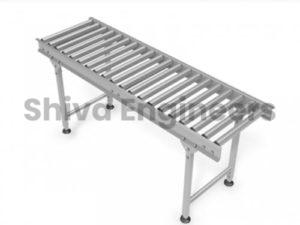
Belt conveyors are the simplest and most flexible option for product transfer. Built with food-grade materials and easy-clean designs, they ensure smooth and continuous movement of items across different processing stages
Key Benefits
- Ideal for dry, wet, and finished products
- Hygienic belts suitable for food contact
- Low maintenance and easy operation
- Customizable length and speed
Many modern food factories use belt conveyors to automate manual handling and reduce product damage.
2. Bucket Elevators
Best for: Powders, grains, spices, seeds, granules, intermediate food products
Bucket elevators are designed for vertical movement of bulk materials with minimal spillage. They are especially useful in food and pharma facilities where raw materials must be transferred cleanly across levels.
Advantages
- Gentle handling of fragile materials
- Dust-free operation
- Stainless steel construction for hygiene
- High conveying capacity
Their efficiency makes them ideal for spice processing plants, powder lines, and pharma granulation setups.
3. Screw Conveyors & Feeders
Best for: Powders, pastes, semi-solids, viscous products
Used for: Mixing, dosing, feeding, batch loading, controlled discharge
Screw conveyors ensure accurate and controlled feeding of materials. With fully enclosed construction, they maintain cleanliness and prevent contamination.
Key Features
- Precise material flow
- Excellent for batching & dosing
- Reduces dust and spillover
- Easy integration with mixers, blenders, silos, and packaging machines
This makes them a preferred choice in powder processing lines across food and pharma industries.
4. Pneumatic Conveying Systems
Best for: Flour, sugar, starch, milk powder, chemicals, APIs, fine granules
Pneumatic conveyors use air or vacuum to transport powders over long distances through stainless steel pipelines. They are extremely popular in pharma cleanrooms and high-care food processing zones.
Why They Improve Efficiency
- Completely enclosed, contamination-free transfer
- No manual labor required
- Suitable for sensitive and hazardous materials
- Reduces dust, spills, and product loss
This system supports high automation and significantly improves safety standards.
5. Industrial Automation & Robotic Handling
Keywords: industrial automation, automated material handling
Automation has become essential in modern manufacturing. Robotics, pick-and-place systems, automatic feeders, and synchronized conveyors ensure faster, cleaner, and more reliable material movement.
Benefits of Automation
- Minimizes human contact for better hygiene
- Increases speed and precision
- Reduces labor dependency
- Enhances traceability and quality control
- Integrates seamlessly with existing machinery
Automation is especially important in pharma packaging lines, food safety zones, inspection stations, and palletizing areas.
⭐ Why Material Handling Is Crucial for Food & Pharma
Choosing the right material handling equipment results in:
- Higher productivity and lower cycle time
- Reduced contamination and product damage
- Better operator safety
- Lower operational costs
- Faster workflow across processing, packaging, and storage
Efficient handling systems directly improve output and help manufacturers stay compliant with international standards.
Conclusion
Modern material handling solutions—such as conveyors, elevators, feeders, pneumatic systems, and automation—play a critical role in ensuring fast, hygienic, and reliable operations in food & pharma industries. By upgrading or optimizing these systems, manufacturers can significantly boost plant performance and long-term profitability.
Automated handling equipment boosts efficiency, and automated handling equipment reduces manual labor. Hygienic conveying systems ensure cleanliness, while hygienic conveying systems prevent contamination. Conveyors for food industry streamline material flow, and conveyors for food industry improve production speed.
ABOUT US
Email: shivaengineers1@gmail.com
Contact No: +91-9822499586